


Whether you regularly partake in meatless Monday, live a flexitarian lifestyle, or ditched meat years ago, you’ve probably struggled with getting enough protein in your diet. But what’s the big deal with protein anyway? A couple of things, actually. For one, protein is essential for building muscle tissue and enzymes that help transport oxygen throughout your body, says the Harvard School of Public Health.
The proteins in our bodies are made up of 20 amino acids, nine of which, called essential amino acids, must come from our diets because we cannot produce them on our own, according to the Academy of Nutrition and Dietetics. Animal proteins are known for providing all nine essential amino acids, but most plant proteins (with the exception of a few) fall short by one or two.
But fear not, plant-eaters! As long as you’re eating the right combinations of foods, you can hit your daily-recommended protein intake. “Carefully planning meals and snacks throughout the day can ensure vegetarians meet their protein needs,” says Angel Planells, M.S., R.D.N., spokesperson for the Academy of Nutrition and Dietetics.
Here’s some good news: research suggests many vegetarians meet their protein needs without much trouble. Reviews have found average intakes often land in the ~62–82 grams per day range in vegetarian and vegan groups—right around (or above) typical recommendations. And the latest federal nutrition guidance still points people toward protein choices like beans, peas, lentils, nuts, seeds, and soy, while keeping saturated fat in check. So you’re already on the right track!
According to the USDA, women need a minimum of about 46 grams of protein per day, while men need a minimum of about 56 grams. Keep in mind, if you’re active or trying to build muscle, you might benefit from a bit more—some experts suggest roughly 1.2–1.4 grams per kilogram for endurance athletes and around 1.6–2.0 grams per kilogram for strength training, depending on your goals. To make sure you’re getting your fill, incorporate the following plant-based protein sources into your daily grub.


Soy-based food products, like tempeh, tofu, and soy burgers are very nutritious and versatile protein sources, says Planells. He recommends feasting on a half a cup of tempeh (which packs 19.5 grams of protein), half a cup of tofu (10 grams of protein), or a soy burger (about 13 grams, depending on the brand).
The bean’s claim to fame: It offers all of the nine essential amino acids found in animal-based protein products. That makes soy a “complete protein,” which is pretty impressive for a plant!
Soy is also a good source of B vitamins and essential fatty acids like omega-3s, which can both be tricky for non-meat-eaters to fill up on without supplementation since they’re prominent in animal food sources, says Planells.
Ways to Enjoy Soy
Not sure how to work soy into your meals? Here are a few easy ideas:
- Tofu stir-fry: Press your tofu to remove excess water, cube it up, and toss it in your favorite stir-fry sauce with veggies
- Tempeh tacos: Crumble tempeh and season it like you would taco meat—the texture is surprisingly similar
- Edamame snacks: Keep frozen edamame on hand for a quick 9-gram protein snack (just sprinkle with a little sea salt!)
- Smoothie boost: Silken tofu blends seamlessly into smoothies for a protein punch you won’t even taste
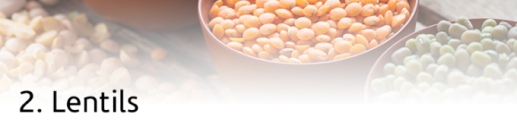
After soy, lentils are one of your richest plant-based proteins, says Planells. Just half a cup of this type of legume, called a “pulse,” packs nine grams of protein, he adds. A full cup? That bumps you up to about 18 grams—not too shabby for a humble little legume!
While lentils contain all nine of the essential amino acids, some are in very low quantities. Pair them with a whole grain food like whole-wheat pita to boost your amino intake.
“Eating a variety of whole grains and plant proteins is your best bet at meeting your overall protein needs,” reminds Planells.
Quick Lentil Tips
The beauty of lentils is how quick they cook compared to other legumes—no soaking required for most varieties:
- Red lentils: Cook in about 15 minutes and get soft enough to disappear into soups and sauces
- Green or brown lentils: Hold their shape better, perfect for salads and grain bowls
- French lentils (Puy): Stay nice and firm, great when you want some texture
Try tossing cooked lentils into pasta sauce for extra protein, or make a simple lentil soup that you can portion out for the week. Future you will be grateful!

We know vegetarians and meat-lovers alike can get behind this protein source. Two tablespoons of peanut butter contain eight grams of protein, says Planells.
Not into super-sticky nut butters? Just grab a handful—23, to be exact—of nuts, like almonds, for a healthy snack that contains six grams of protein, he adds. Cashews, walnuts, and pistachios are great options too, each offering their own protein boost along with healthy fats that keep you feeling satisfied.
Because peanuts and almonds contain small amounts of the nine essential amino acids, Planells suggests pairing nuts and nut butters with a piece of whole wheat bread to achieve an adequate amount of essential amino acids.
Beyond the Sandwich
Nut butters are incredibly versatile—here’s how to think outside the PB&J:
- Stir a spoonful into your morning oatmeal
- Drizzle almond butter over sliced apples or bananas
- Add a dollop to smoothies for extra creaminess and protein
- Use as a dipping sauce base for veggie spring rolls (just thin with a little soy sauce and lime juice)
And don’t forget about the other nut butters out there! Almond butter, cashew butter, and even sunflower seed butter (for those with nut allergies) all pack similar protein punches.


Vegetarians (and many healthy eaters, for that matter) overlook the small but mighty seeds as a protein source. Case in point: One ounce of roasted pumpkin seeds contains eight grams of protein, while an ounce of sunflower seeds contains five, says Planells. Not to mention, these seeds offer additional vitamins and minerals, like zinc, which helps hundreds of enzymes do their jobs throughout your immune system, nervous system, and more, says the National Institutes of Health.
Go ahead, sprinkle seeds on that salad for added crunch—or just eat ’em straight as a snack.
Seed Superstars to Know
Here are some seeds worth adding to your rotation:
- Hemp seeds: These little guys are complete proteins with about 10 grams per 3 tablespoons—plus omega-3s!
- Chia seeds: About 5 grams per 2 tablespoons, and they absorb liquid to create a fun pudding texture
- Flax seeds: Best ground up for absorption, they add protein and fiber to smoothies and baked goods
- Pumpkin seeds (pepitas): The protein powerhouse of the seed world, great roasted with a little salt
Related: Check out our full selection of healthy seeds and oils.


Beans are an ever-popular protein source for many vegetarians. A half cup of kidney beans, for example, contains eight grams of protein. Pair those beans with a grain like kamut for a meal that packs 12 grams of protein.
You can toss beans into soups and salads, or even try dips like hummus, which is made from chickpeas and typically packs four grams of protein per four tablespoons.
Not to mention, many beans offer a good dose of iron. Adult men need eight milligrams of iron per day and women need eighteen, says the National Institutes of Health. One cup of kidney beans contains almost four grams. And while experts previously believed animal-sourced iron was absorbed more easily by our bodies than plant-sourced iron, they now believe quite the opposite, says Planells. Three cheers for plants!
Bean Variety for the Win
Different beans bring different benefits to the table:
- Black beans: About 15 grams per cup, great in tacos, burritos, and Cuban-style dishes
- Chickpeas: Versatile enough for hummus, roasted snacks, or tossed in salads
- Navy beans: Perfect for soups and stews, with a creamy texture when cooked
- Cannellini beans: A white bean that’s lovely in Italian dishes and grain bowls
Pro tip: Canned beans are totally fine! Just give them a rinse to reduce the sodium, and you’ve got instant protein ready to go.
This popular side dish actually isn’t a grain—it’s a seed! A half cup of quinoa contains four grams of protein, says Planells. It makes a great base for adding roasted vegetables, beans and other proteins, and healthy fats like olive oil, he adds. A full cup cooked gives you about eight grams of protein.
As an extra bonus, quinoa contains all of the nine essential amino acids. That makes it another complete protein option in your vegetarian toolkit!
Cooking Quinoa Right
Here’s a quick tip: rinse your quinoa before cooking to remove the natural coating (called saponin) that can make it taste bitter. Then cook it like rice—about 2 cups of water to 1 cup of quinoa, simmer for 15 minutes, and fluff with a fork.
Try these easy quinoa ideas:
- Use it as a base for Buddha bowls with roasted veggies and tahini dressing
- Stir into soups for extra protein and texture
- Make a breakfast bowl with quinoa, almond milk, cinnamon, and fresh berries
- Prep a big batch on Sunday to use throughout the week
Veggies may not be the food we turn to for protein, but leafy greens can boost your protein intake—as well as your calcium.
Spinach is one of the most commonly recommended leafy greens to consume for protein because it provides five grams of protein per cup. It also contains 30 grams of calcium, according to the USDA.
Dark leafy greens can be added to soups, used as a base for salads, or stirred up with additional veggies for a quick stir-fry.
More Greens to Love
Spinach isn’t the only leafy green with protein power:
- Kale: About 3 grams per cup raw, plus loads of vitamins A, C, and K
- Collard greens: Great Southern-style, sautéed with a little garlic
- Swiss chard: Colorful and mild, perfect for sautéing
- Broccoli: Technically not a leafy green, but one cup cooked has about 4 grams of protein
The beauty of greens is how easy they are to sneak into meals. Toss a handful of spinach into your morning smoothie (you won’t taste it, promise!), add kale to soups in the last few minutes of cooking, or massage raw kale with a little olive oil and lemon for a tender salad base.
Bringing It All Together
The best part about vegetarian protein? You don’t have to stress about getting it all from one meal. Research shows your body pools amino acids throughout the day, so as long as you’re eating a variety of these protein sources, you’re doing great. Mix and match—have lentil soup with whole grain bread for lunch, a handful of almonds as a snack, and a quinoa stir-fry with tofu for dinner.
And if you’re looking for extra support on busy days, plant-based protein powders can be a convenient way to fill in the gaps. Look for options that blend different plant proteins (like pea and rice) for a more complete amino acid profile.
Keep your veggie protein game strong by pinning this image:


